STRUCTURAL
-
 glossary
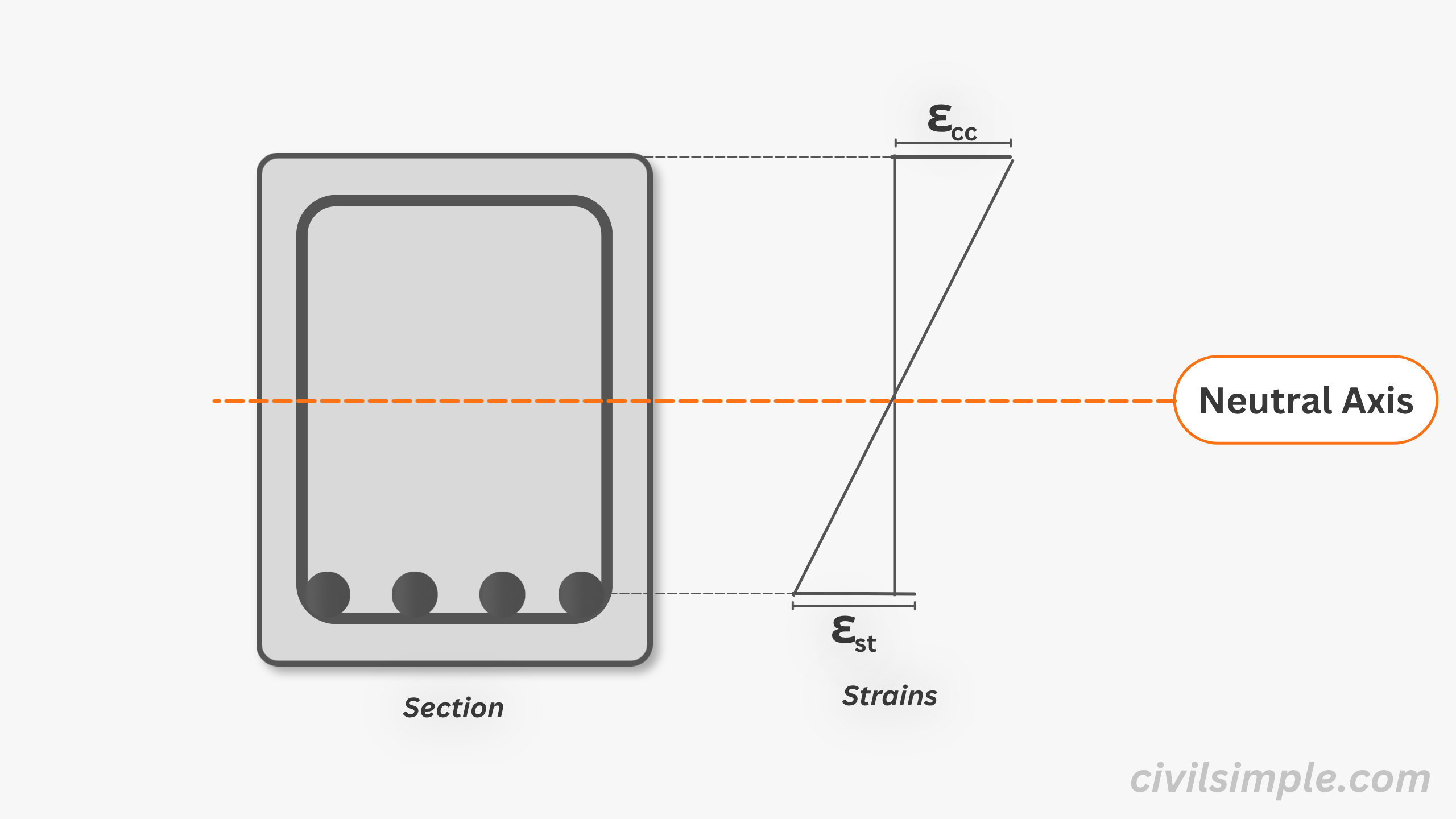
What is neutral axis?
Neutral axis is an imaginary line in a reinforced concrete section where longitudinal strain is zero. It separates the compression and tension zones, and its position depends on loading, material properties, and section geometry.
-
 glossary
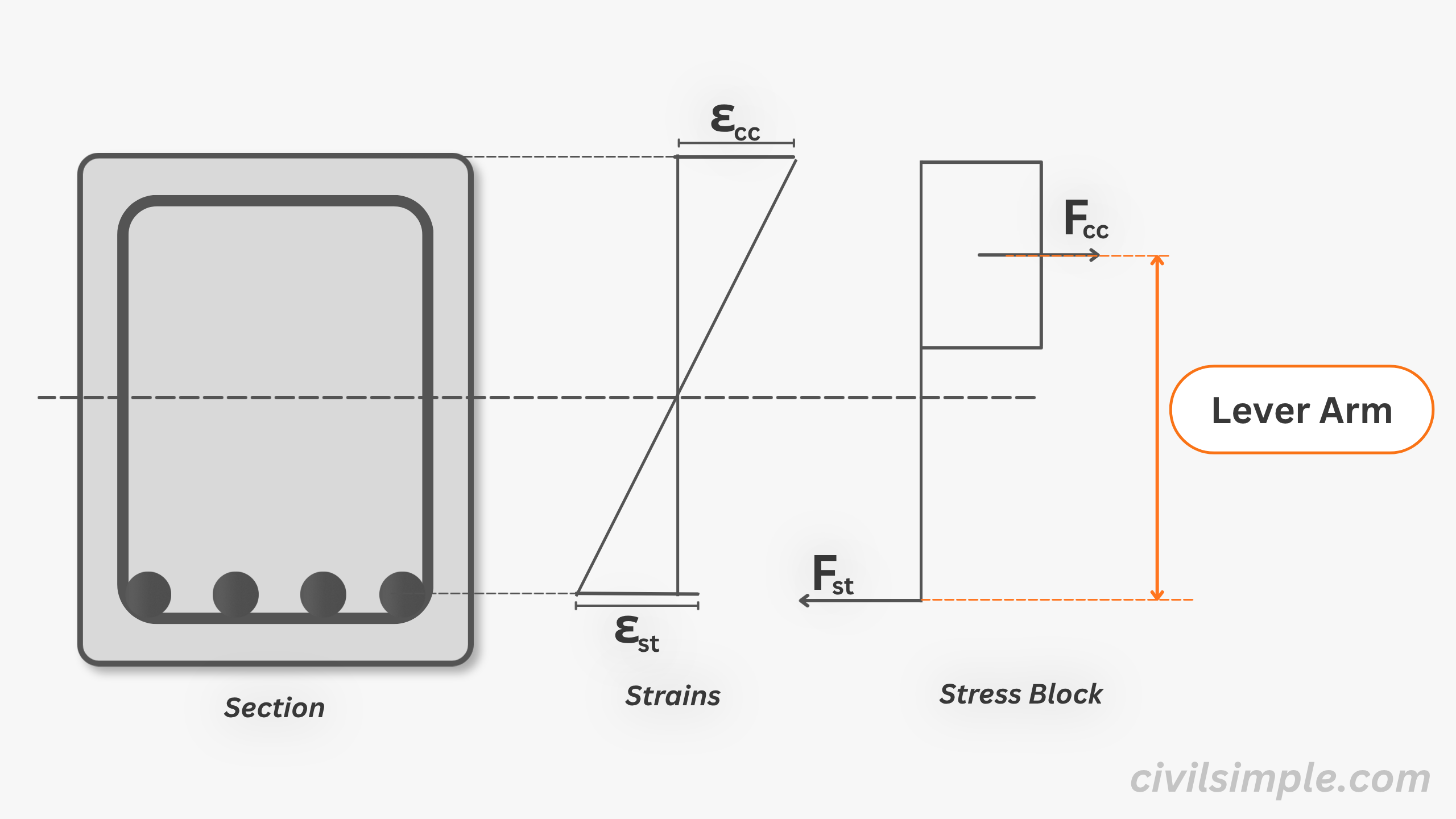
What is lever arm?
The lever arm is the distance between the centre of the compression force and the centre of the tension force acting on a section. It is a key parameter in moment capacity calculations. Understanding the strain distribution and stress–strain behaviour of concrete and steel is essential for determining the lever arm.
-
 glossary
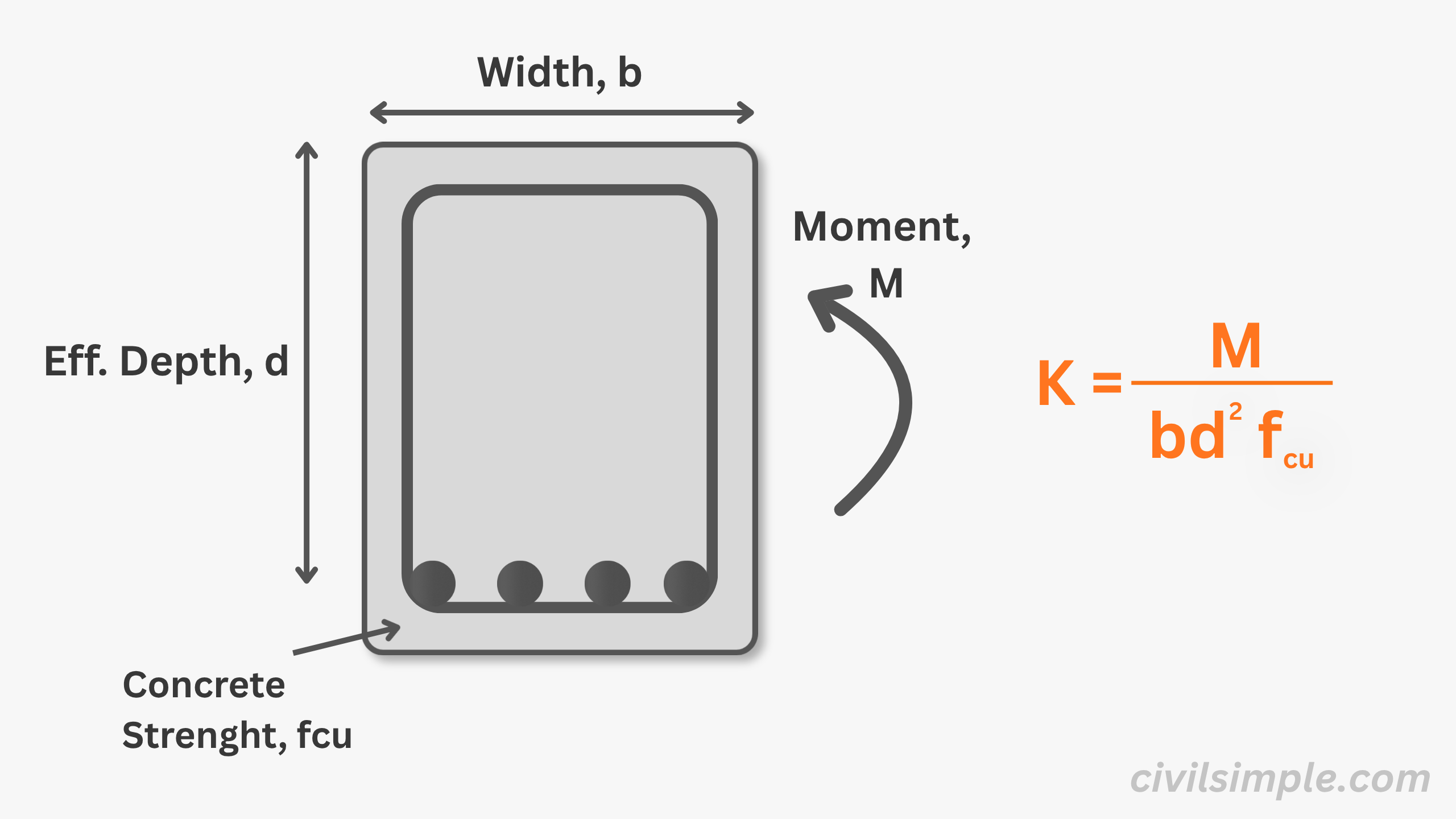
What is K coefficient?
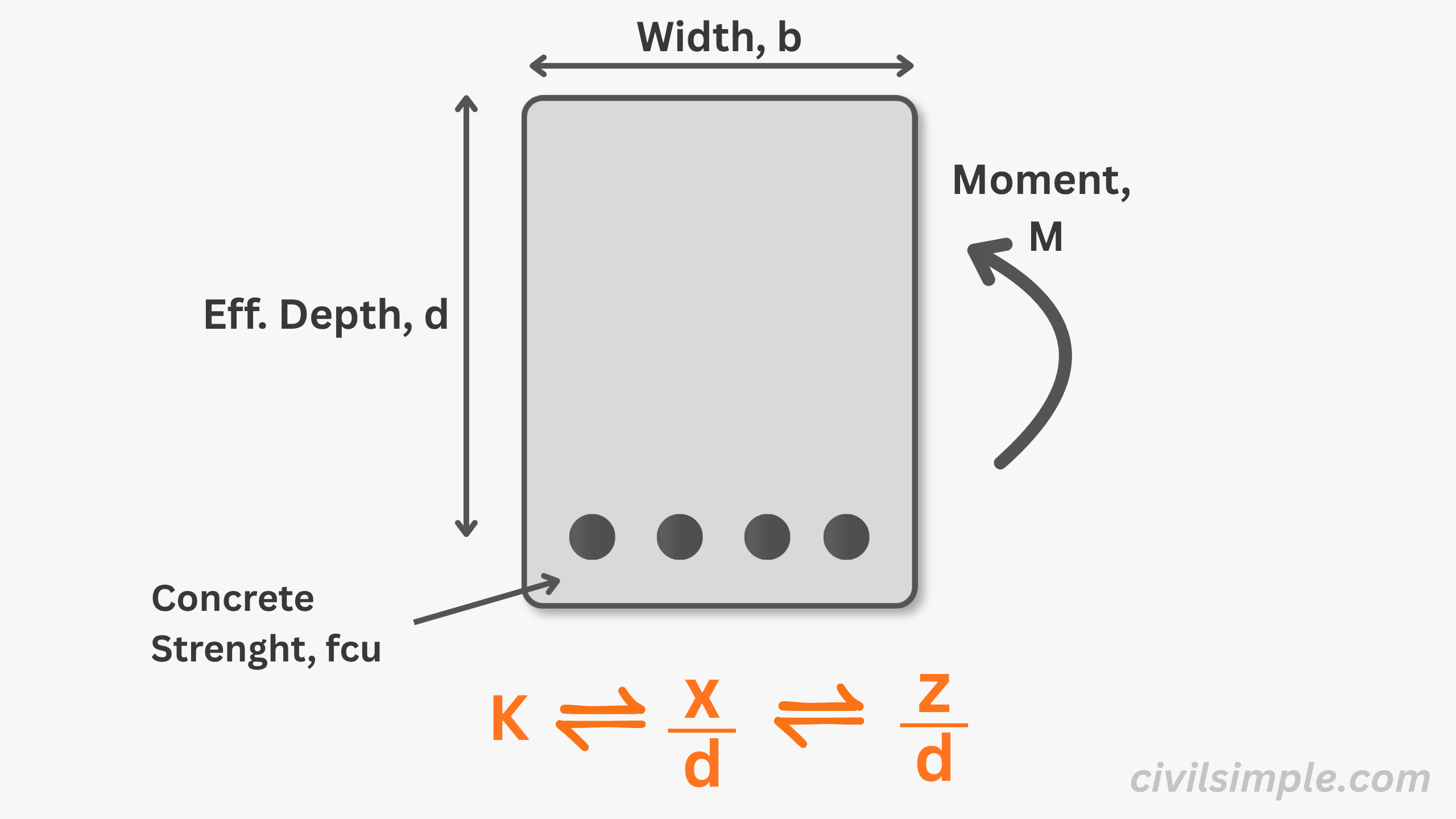
K is a unitless coefficent defined as M/(fck • b•d²). It represents the ratio of design moment to section capacity parameters (width, effective depth, and concrete strength). It helps quickly assess whether a section satisfies code requirements, including ductility and compression zone adequacy, and provides a convenient way to determine the lever arm ratio (z/d) and hence the required tension reinforcement.
-
 assumptions
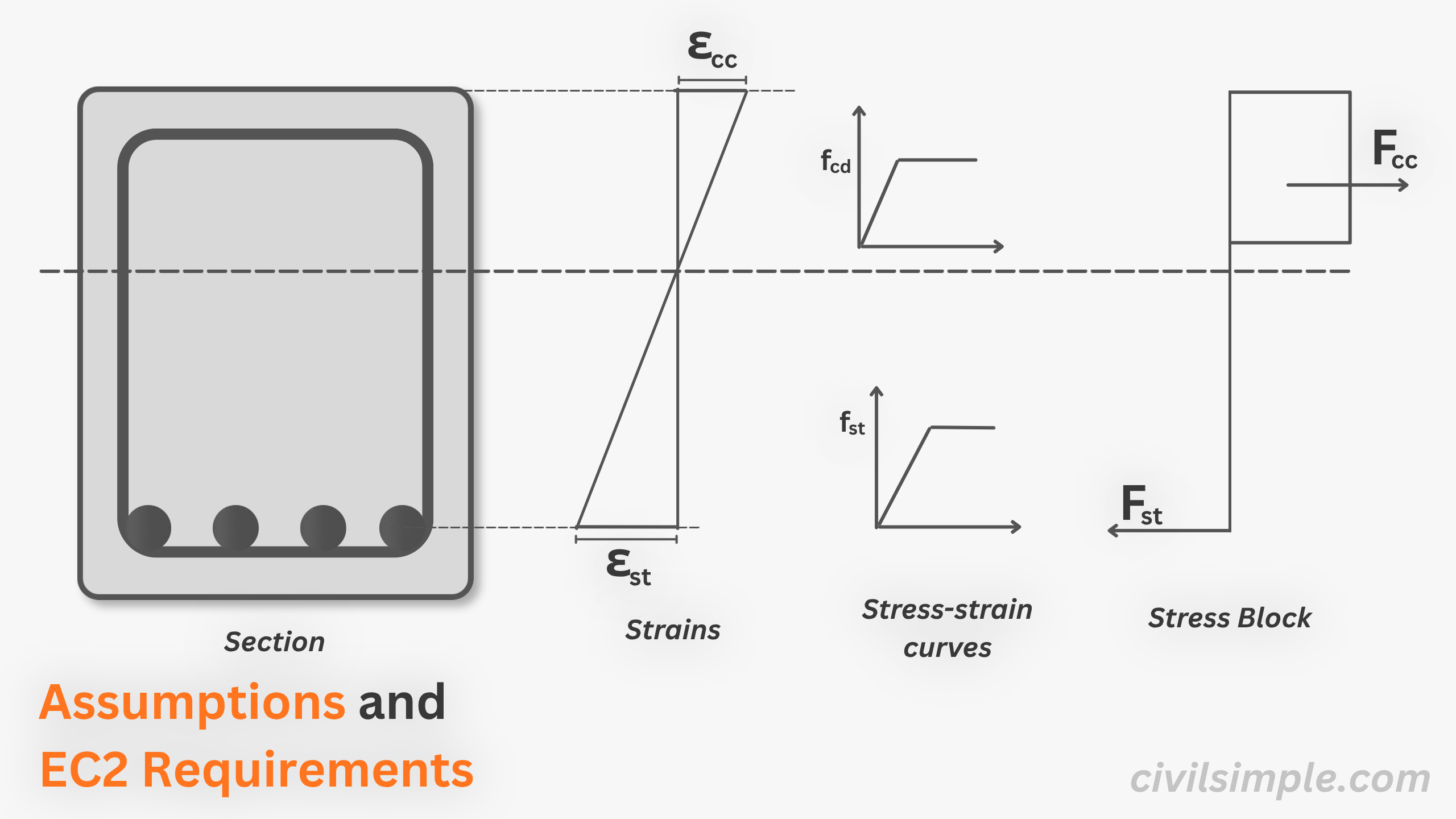
What Are the Assumptions of Bending Design in Reinforced Concrete? (EC2)
Learn the key assumptions used in Eurocode 2 bending design for reinforced concrete beams and slabs, including strain distribution, stress blocks, force equilibrium, and ductility requirements.
-
 proof
proofDerivation of relationship of x/d, z/d and K
Drivation of relationship of neutral axis x/d, z/d and K
-
 work-example
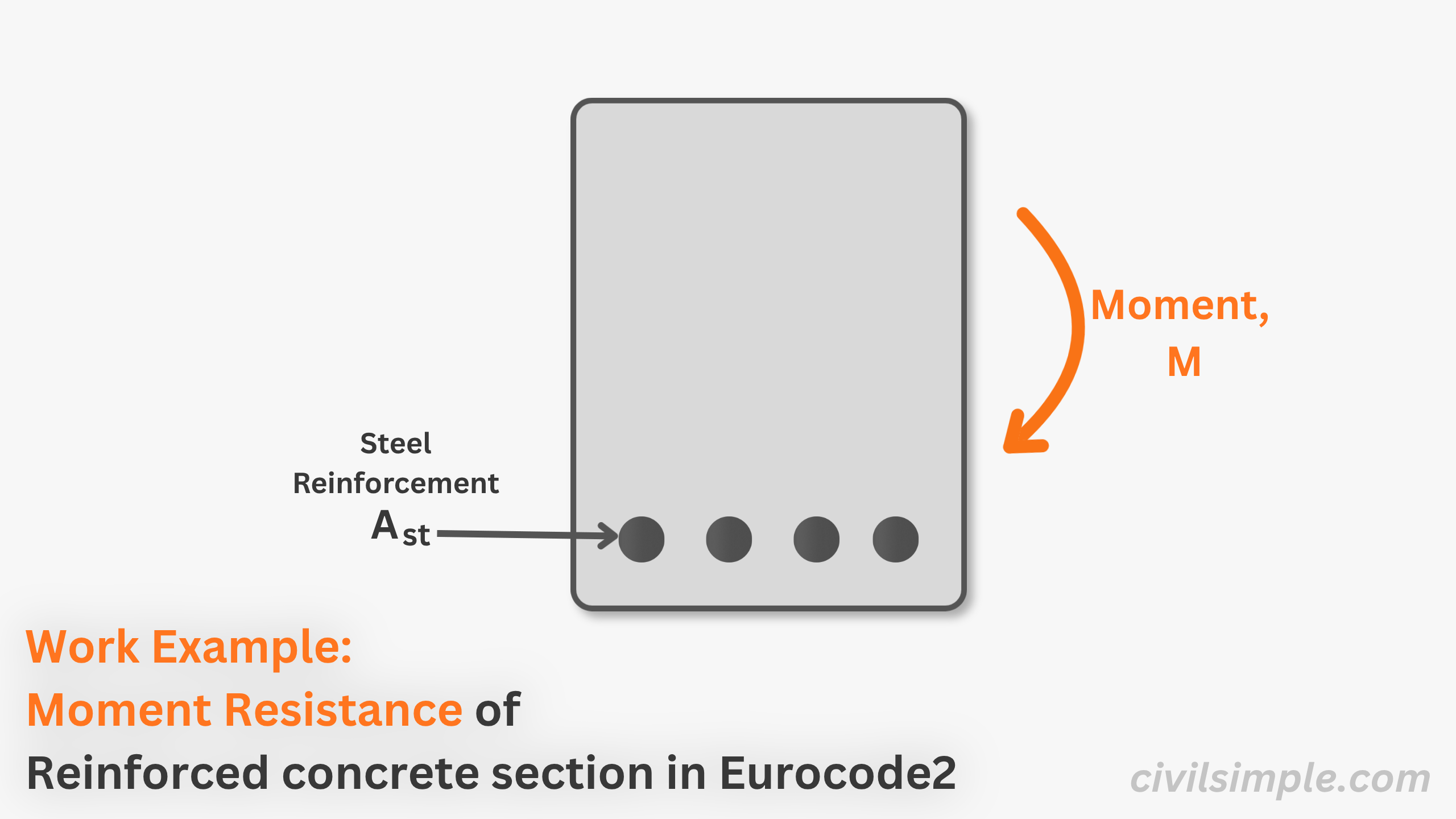
Work Example of Moment Resistance of Reinforced Concrete Section in Eurocode 2
A work example about moment resistance referencing to eurocode 2(BSEN1992-1-1:2004) for reinforced concrete section.
-
 work-example
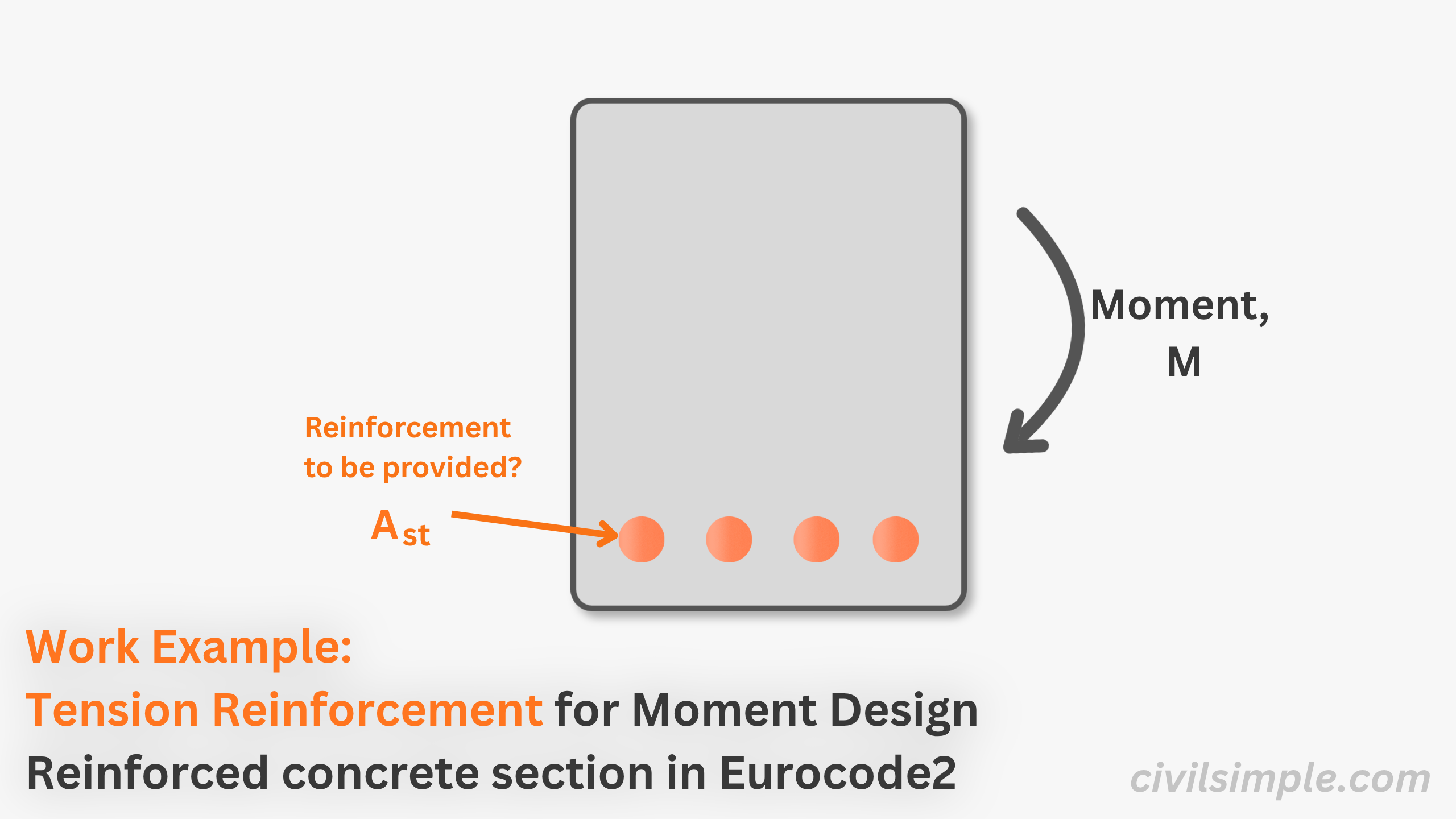
Work Example of Tension Reinforcement for Moment Design of Reinforced Concrete Section in Eurocode 2
A work example about tension reinforcement for moment design referencing to eurocode 2(BSEN1992-1-1:2004) for reinforced concrete section.
-
 formula
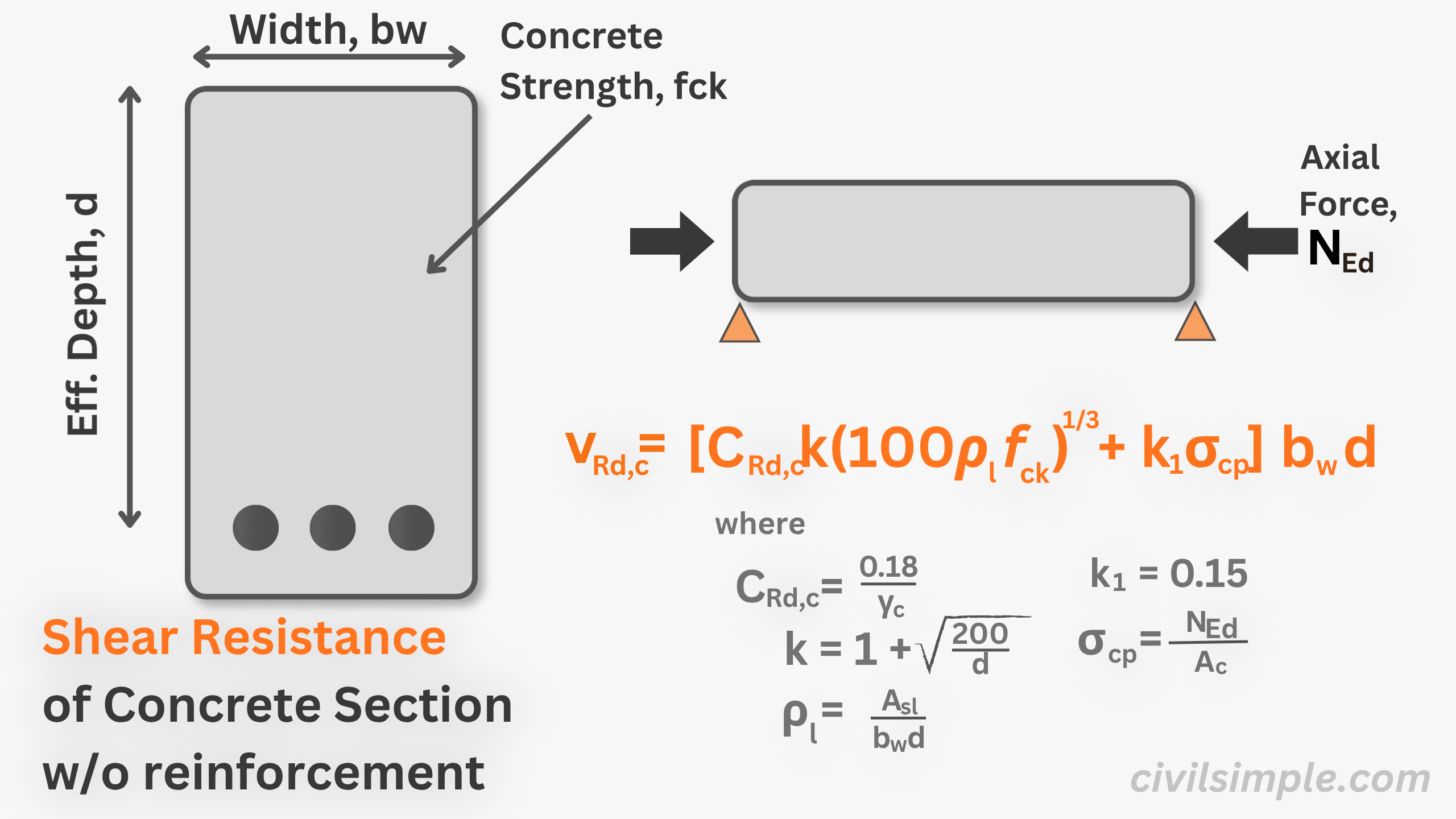
What is shear resistance of concrete section in Eurocode 2?
Learn how to calculate the shear resistance of concrete sections in Eurocode 2, the key influencing factors, and when shear links are not required.
-
 formula
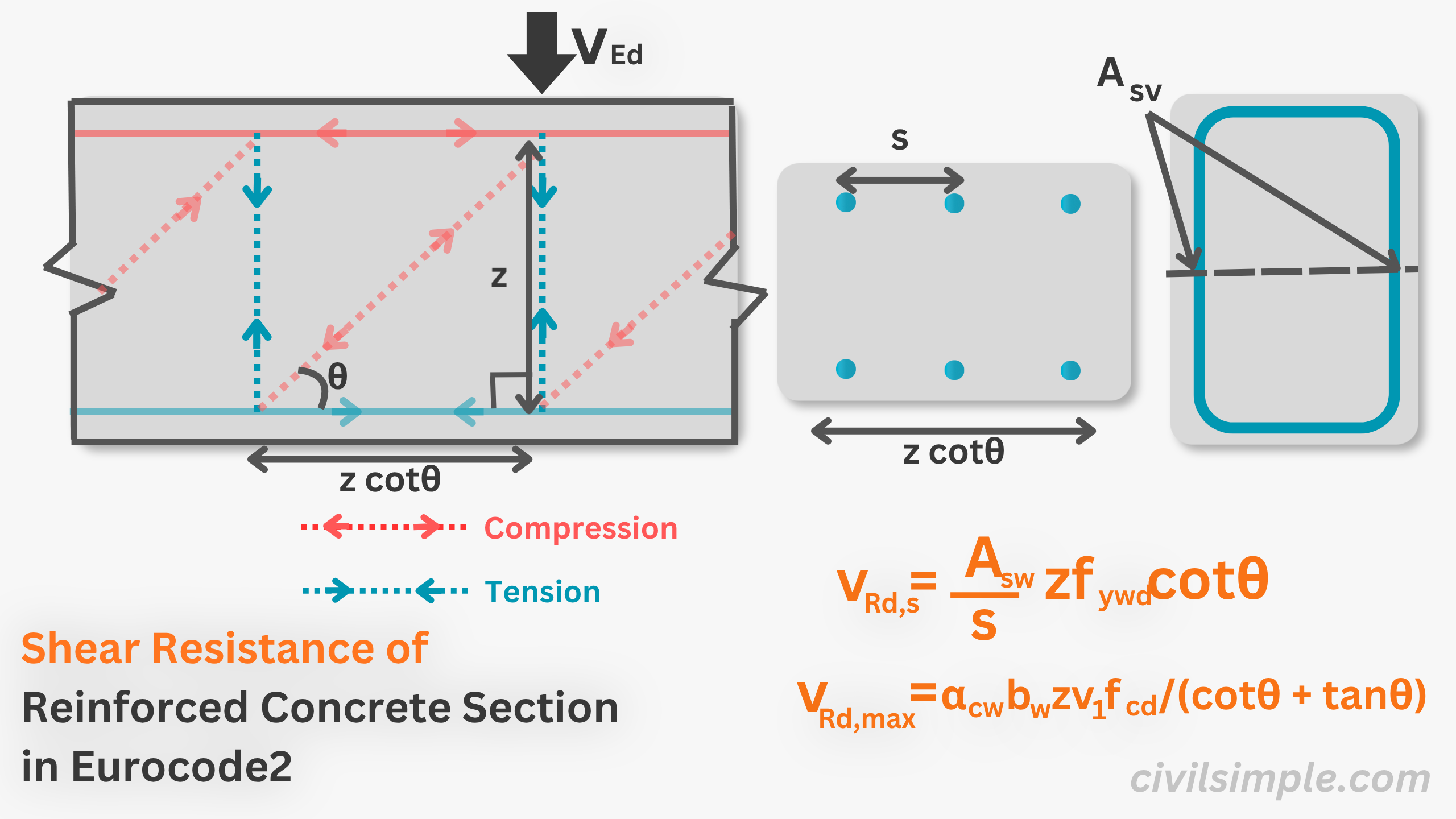
What is shear resistance of reinforced concrete section in Eurocode 2?
Learn the fundamentals of shear and shear resistance, including how to calculate the shear resistance of reinforced concrete sections in accordance with Eurocode 2. This article also covers the key influencing factors and the design steps for handling shear in different scenarios.
-
 proof
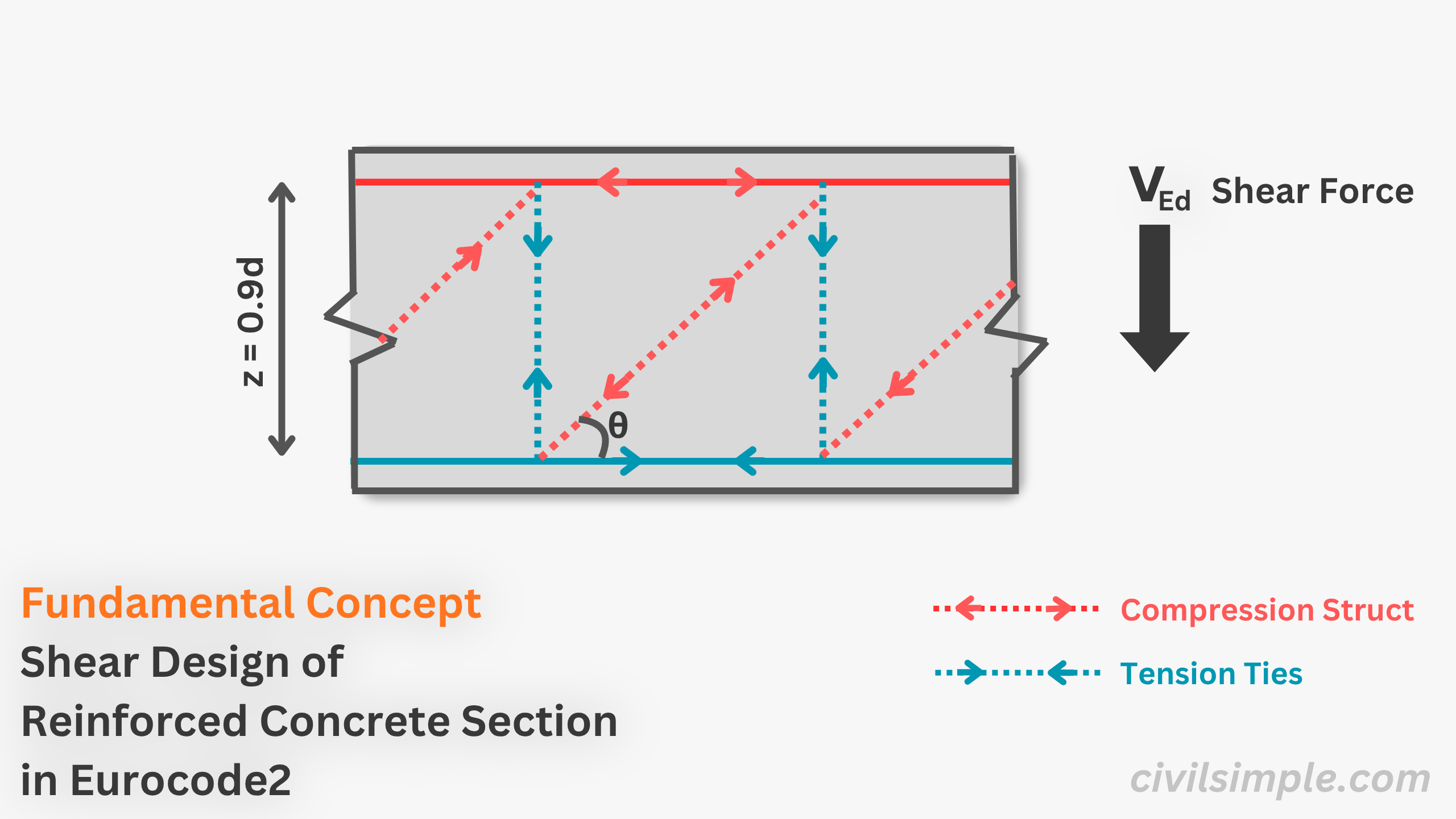
proofFundamental Concept of Shear Reinforcement Design of Reinforced Concrete Section in Eurocode 2
A overview about design method (Truss Model) used in eurocode 2 for shear design and corresponding derived of vertical shear reinforecement equations 6.8 and 6.9 of BSEN1992-1-1:2004.
-
 work-example
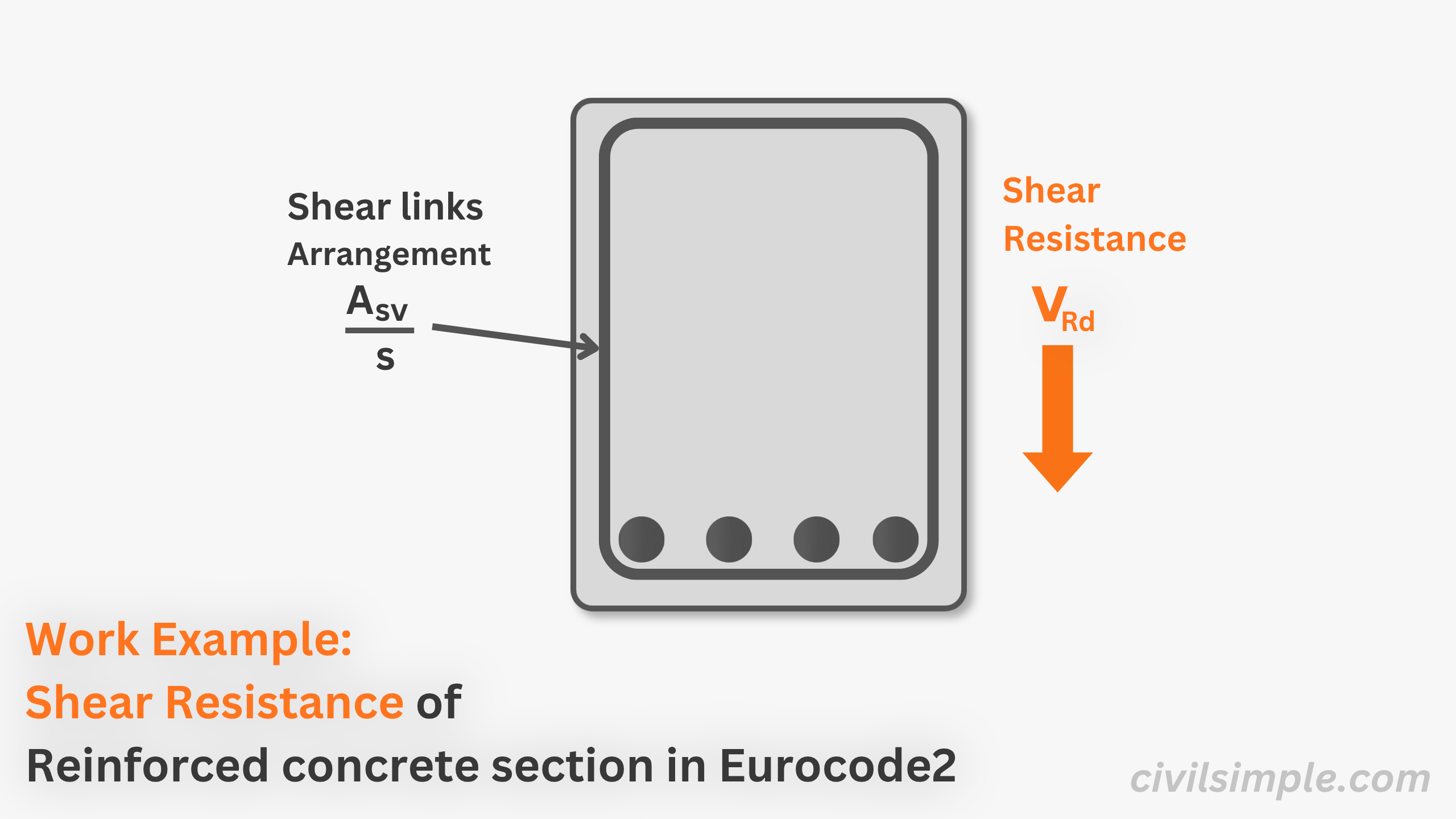
Work Example of Shear Resistance of Reinforced Concrete Section in Eurocode 2
A work example about shear resistance referencing to eurocode 2(BSEN1992-1-1:2004) for reinforced concrete section.
-
 work-example
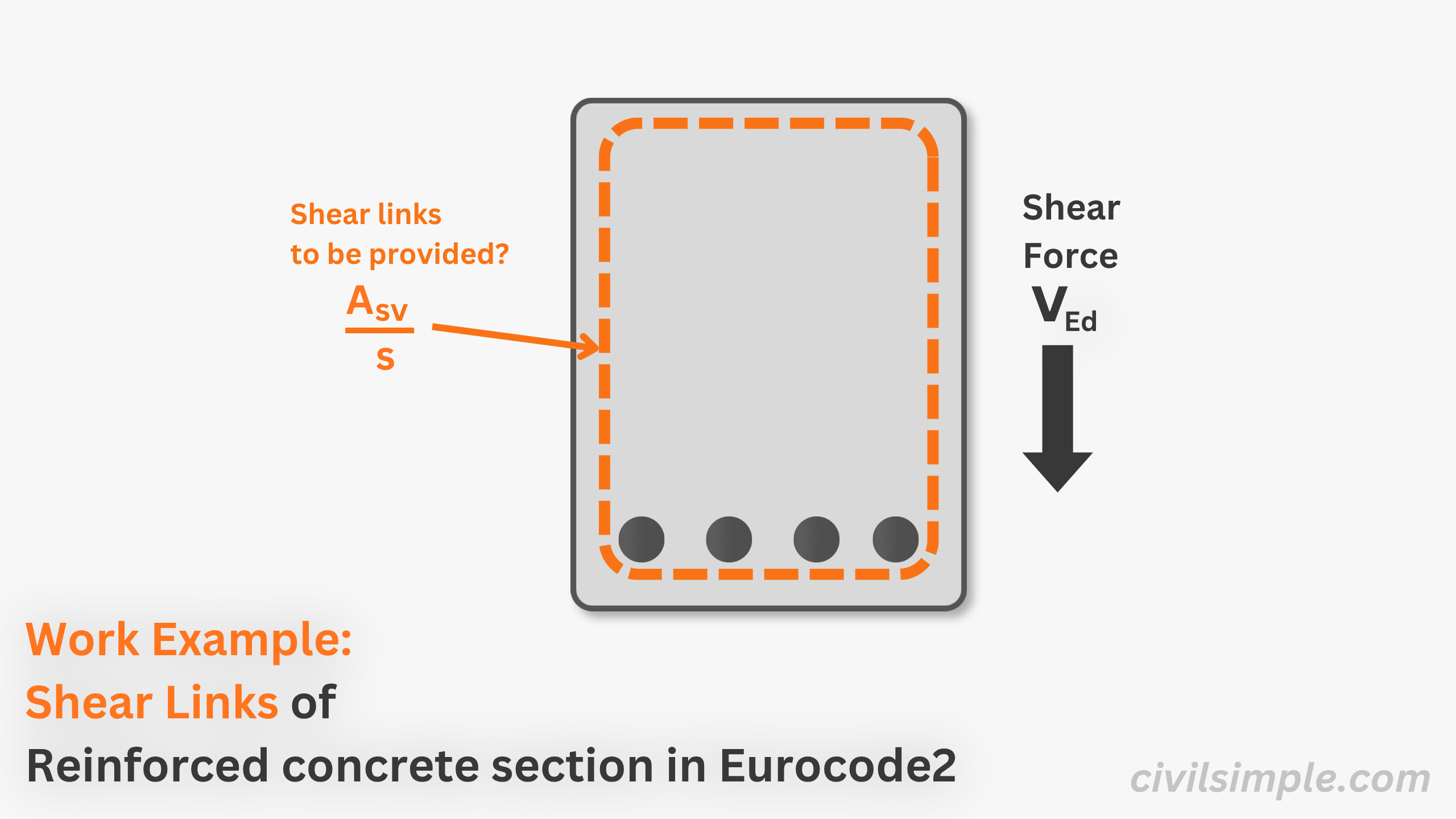
Work Example of Shear Links Design of Reinforced Concrete Section in Eurocode 2
A work example about determining shear links referencing to eurocode 2(BSEN1992-1-1:2004) for reinforced concrete section.
-
 formula
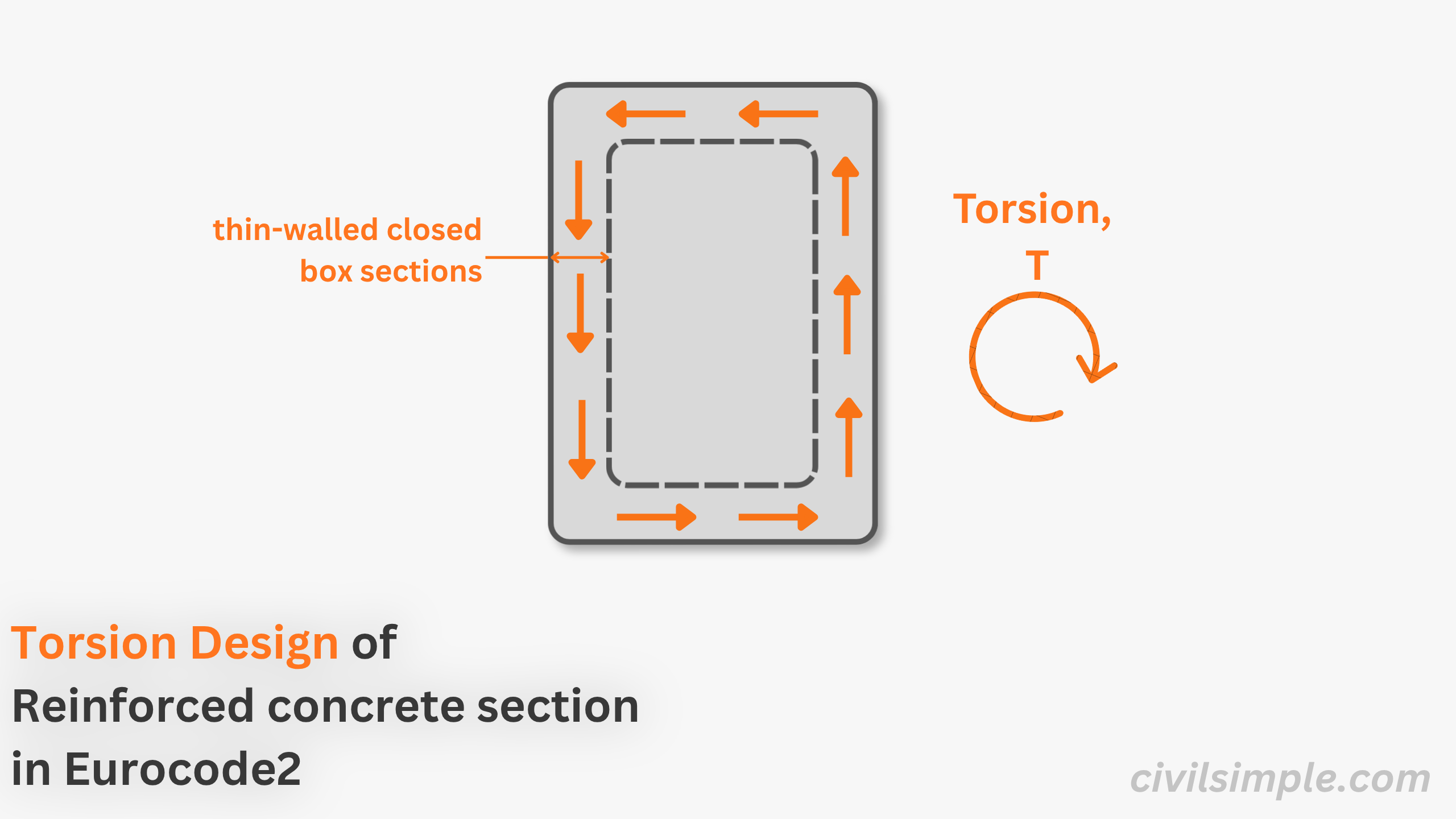
What is torsion design of reinforced concrete section in Eurocode 2?
Learn the fundamentals of torsion and torsion resistance, including how to calculate the torsion resistance of reinforced concrete sections in accordance with Eurocode 2. This article also covers the key influencing factors and the design steps for handling torsion in different scenarios.
-
 proof
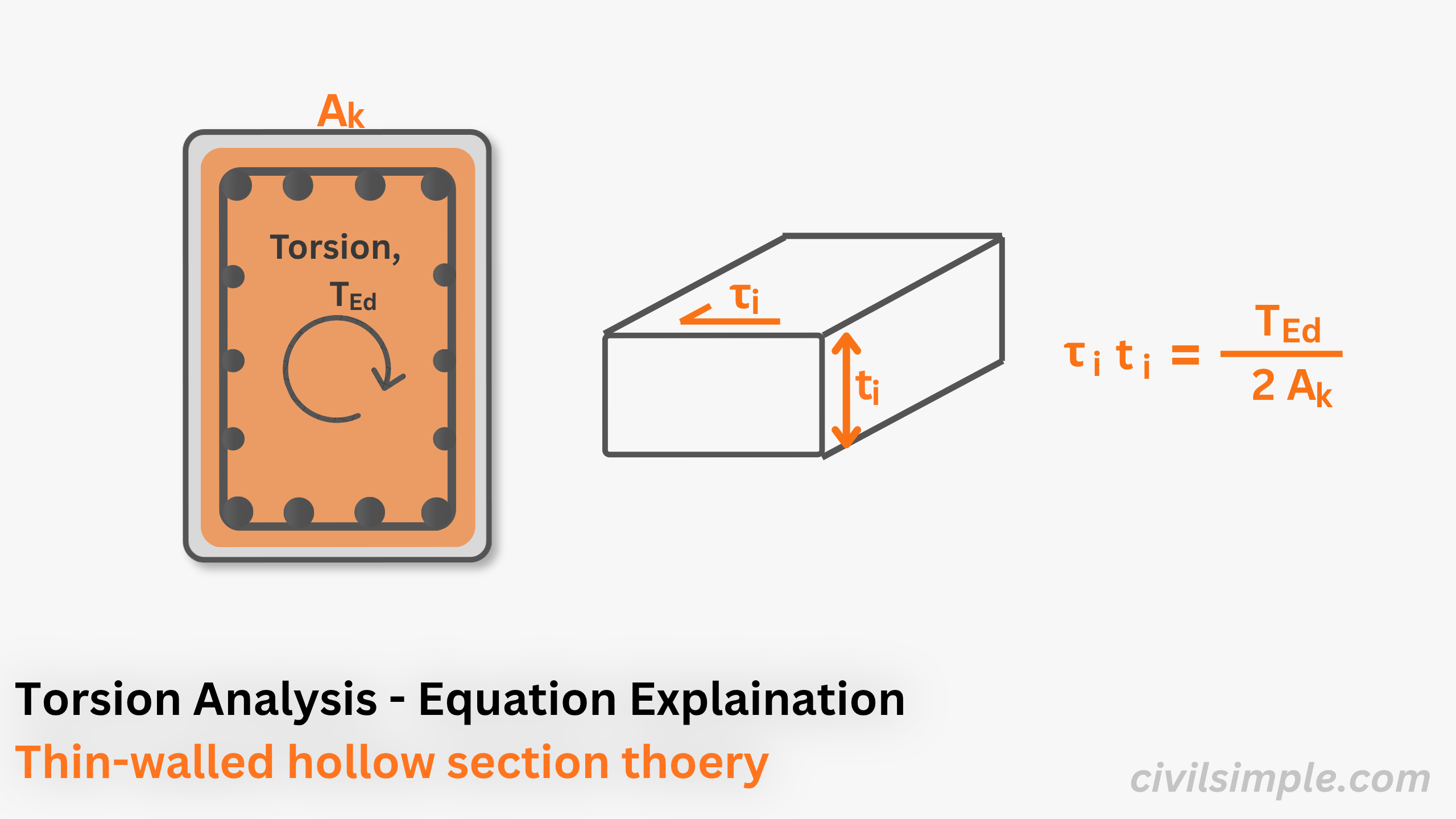
proofTorsion Equation Derivation for Reinforced Concrete (Step-by-Step Animation)
This article presents a step-by-step derivation of the torsion equation.
-
 work-example
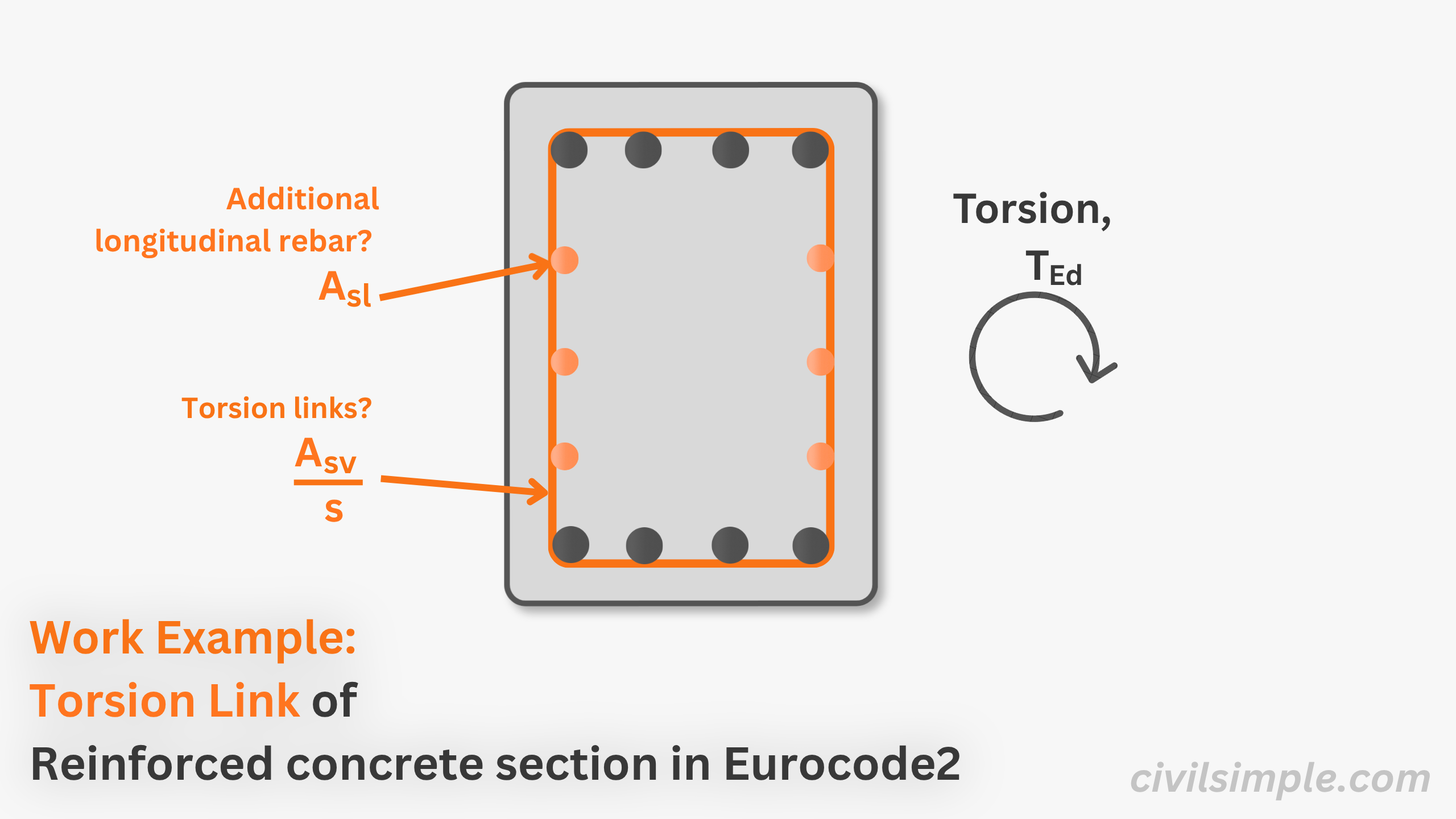
Work Example of Torsional Links Design of Reinforced Concrete Section in Eurocode 2
A work example about determining torsional links referencing to eurocode 2(BSEN1992-1-1:2004) for reinforced concrete section.
-
 glossary
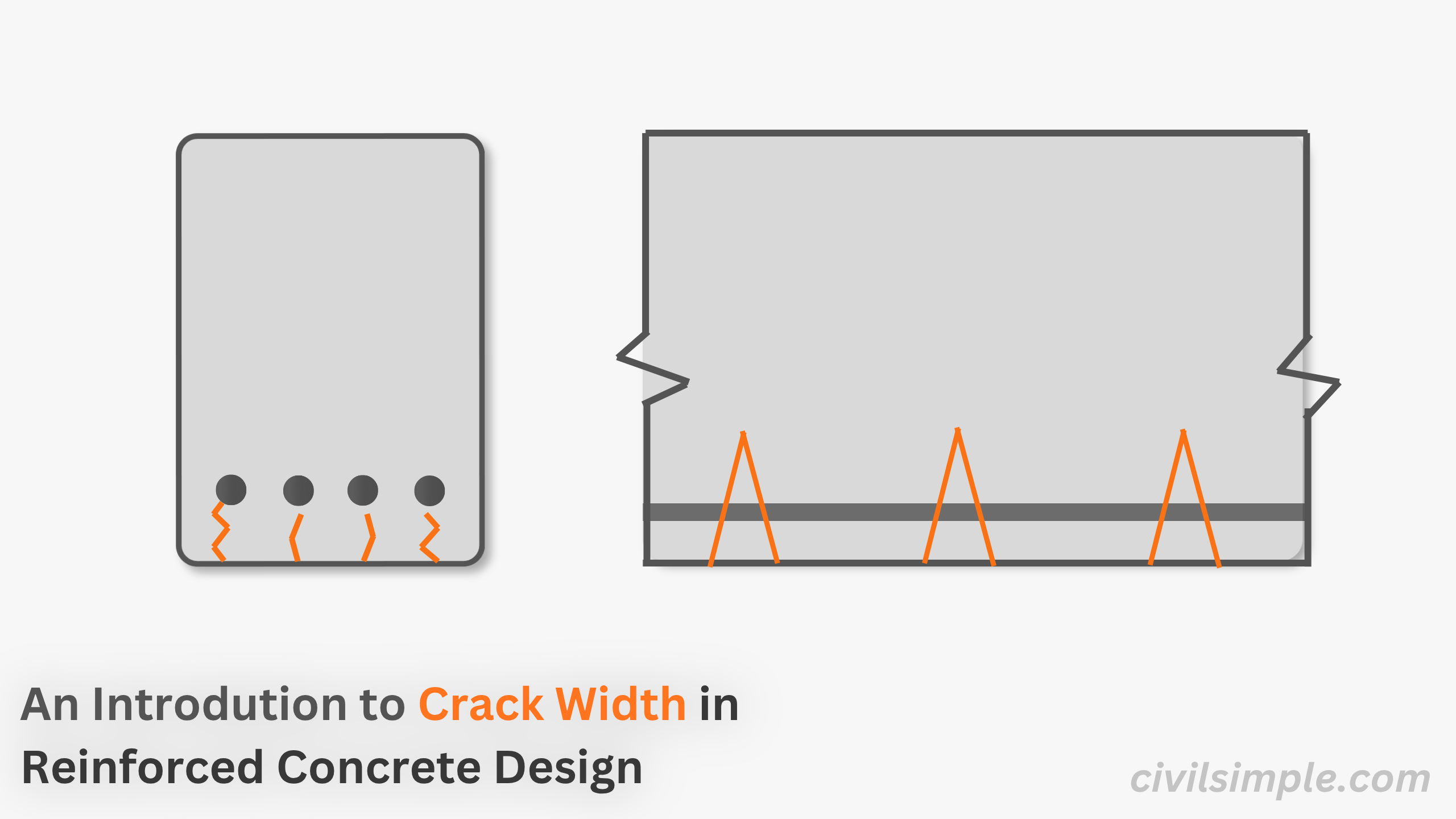
An Introduction to Crack Width in Reinforced Concrete Design
Discover the core concepts of crack width in reinforced concrete design. Learn why concrete cracks, SLS serviceability checks, and how it impacts durability.
-
 work-example
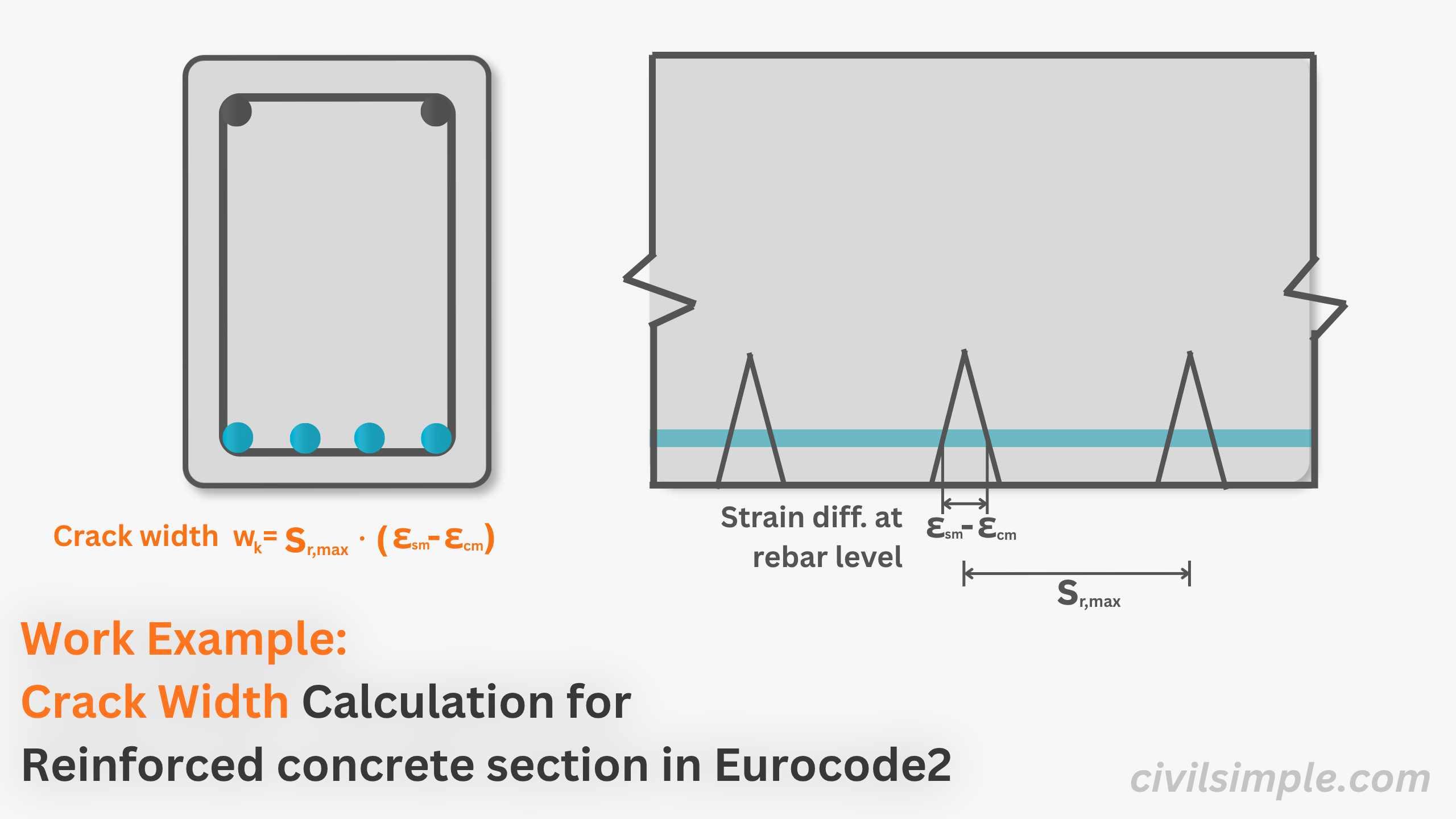
Work Example of Crack Width Calculation of Reinforced Concrete Section in Eurocode 2
A work example about calculating the crack width referencing to eurocode 2(BSEN1992-1-1:2004) for reinforced concrete section.